

Slow Travel for Remote Workers: Why Staying Longer Works Better
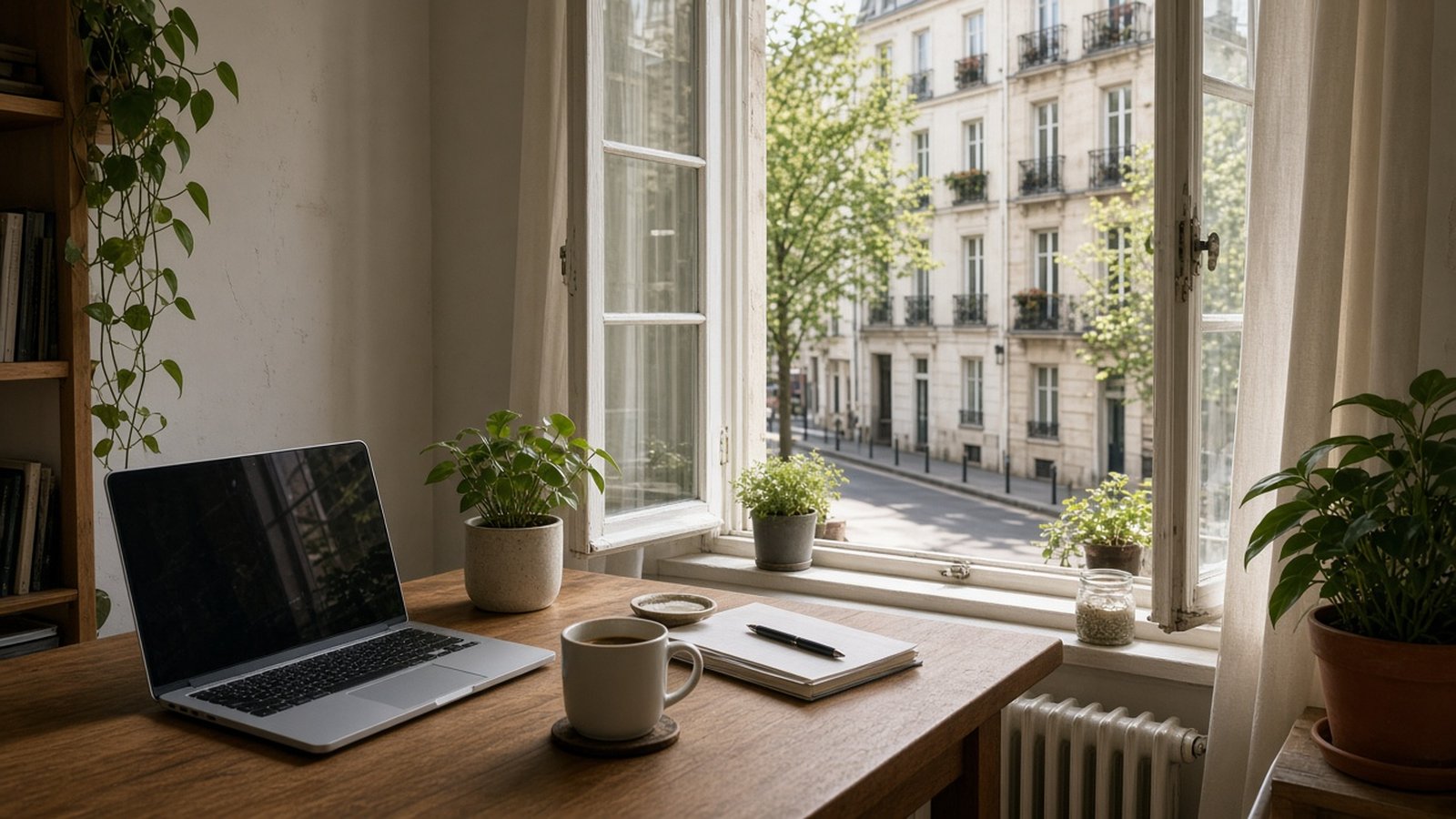
When people first go remote, the temptation is to see everything. A new city every few days, a long list of destinations, and a camera roll full of highlights. It sounds like freedom, but many remote workers find that constant movement leaves them tired, behind on work, and strangely disconnected from the places they visit.
Slow travel is the alternative. Instead of rushing, you stay longer in fewer places, often a month or more. For anyone working while traveling, it is often the difference between a lifestyle that lasts and one that burns out within a year.
What slow travel means
Slow travel is less a rule and more a mindset. It means choosing depth over breadth: settling into a neighborhood, building routines, and getting to know a place rather than ticking it off a list. For remote workers, it usually means staying somewhere for several weeks or months, with occasional short trips nearby.
Why it works for remote workers
You can actually work
Every move costs time: researching, packing, traveling, unpacking, finding groceries, and figuring out where to work. When you move every few days, those tasks eat into your working hours and your energy. Staying longer lets you set up a proper workspace and focus.
Routines become possible
Healthy routines are hard to keep when everything changes constantly. A longer stay lets you find a gym, a favorite café, a running route, and a regular sleep pattern. Our guide on why digital nomads should prioritize wellness explains why these habits matter so much.
Costs usually go down
Many accommodation providers offer lower rates for weekly or monthly stays. You also spend less on transport and eating out when you have a kitchen and know where locals shop. For more savings ideas, see our guide to traveling on a budget.
Deeper connections
Staying longer gives you time to meet people, join local activities, learn some of the language, and understand a place beyond the tourist highlights. Many nomads say the friendships and local knowledge they gain are the most rewarding part of the lifestyle.
Lower environmental impact
Fewer flights and long-distance journeys generally mean a smaller footprint. Slow travel fits naturally with a more sustainable approach to life on the road.
How to choose a slow travel base
- Reliable internet: Non-negotiable for most remote workers. Research connectivity before committing.
- Time zone fit: Pick places where your working hours line up reasonably with your clients or team.
- Cost of living: Consider rent, food, transport, and coworking costs over a full month, not just a few days.
- Everyday livability: Walkability, grocery stores, healthcare access, and green space matter more on a long stay than famous attractions.
- Community: Coworking spaces, meetups, and expat or nomad groups can make settling in easier.
- Visa rules: Check how long you can legally stay and whether your activities are permitted under the rules that apply to you.
Planning a month-long stay
Book a short first stay, then extend
If you are unsure about a neighborhood, book the first week or two and look around before committing to a longer rental. Our guide to finding medium-term rentals covers how to do this well.
Set up your workspace on day one
Unpack fully, set up your desk, test the internet, and find a backup place to work. Treat it like moving into a home, not checking into a hotel.
Create a weekly rhythm
Plan work blocks, exercise, errands, and exploration into a realistic weekly schedule. Save bigger adventures for weekends or quieter work periods.
Explore in layers
Start with your immediate neighborhood, then expand to the wider city, then plan day trips or weekend trips to nearby areas. This keeps exploration fresh throughout your stay.
Packing for longer stays
Slow travel changes what you carry. Because you will unpack properly, a few items that make a rental feel like home are worth their space: a laptop stand and external keyboard for better posture, a universal adapter, a small first-aid kit, and comfortable clothes for working days. At the same time, you can travel lighter on things you can buy locally, such as toiletries. Plan for a laundry routine rather than packing for every day of the stay.
Common challenges and how to handle them
Restlessness
After a few weeks, you may feel the urge to move on. Short weekend trips can satisfy the itch without uprooting your work life.
Loneliness
Staying in one place makes it easier to build connections, but it still takes effort. Join classes, sports groups, language exchanges, or coworking events.
Falling into a rut
Routines are helpful, but too much sameness can make you forget why you travel. Make a list of local experiences to work through, and try something new each week. Our guide to cultural exploration travel has ideas.
A sample slow travel year
Rather than twenty destinations in twelve months, a slow traveler might choose four to six bases, spending one to three months in each, with occasional weekend trips nearby. This pattern gives you variety without the constant cost and stress of moving, and it leaves you with a deeper understanding of each place.
Frequently asked questions
How long should I stay in one place?
There is no fixed rule, but many remote workers find one to three months strikes a good balance between depth and variety.
Is slow travel cheaper?
Often, yes. Monthly accommodation discounts, cooking at home, and fewer transport costs can lower your overall spending.
Will I get bored staying in one place?
Some people do. Short trips nearby and an active effort to try new local experiences help keep things interesting.
Do I need a special visa for slow travel?
It depends on your nationality, destination, and activities. Always check the official rules for each country before you go.