

How to Find a Good Medium-Term Rental as a Digital Nomad
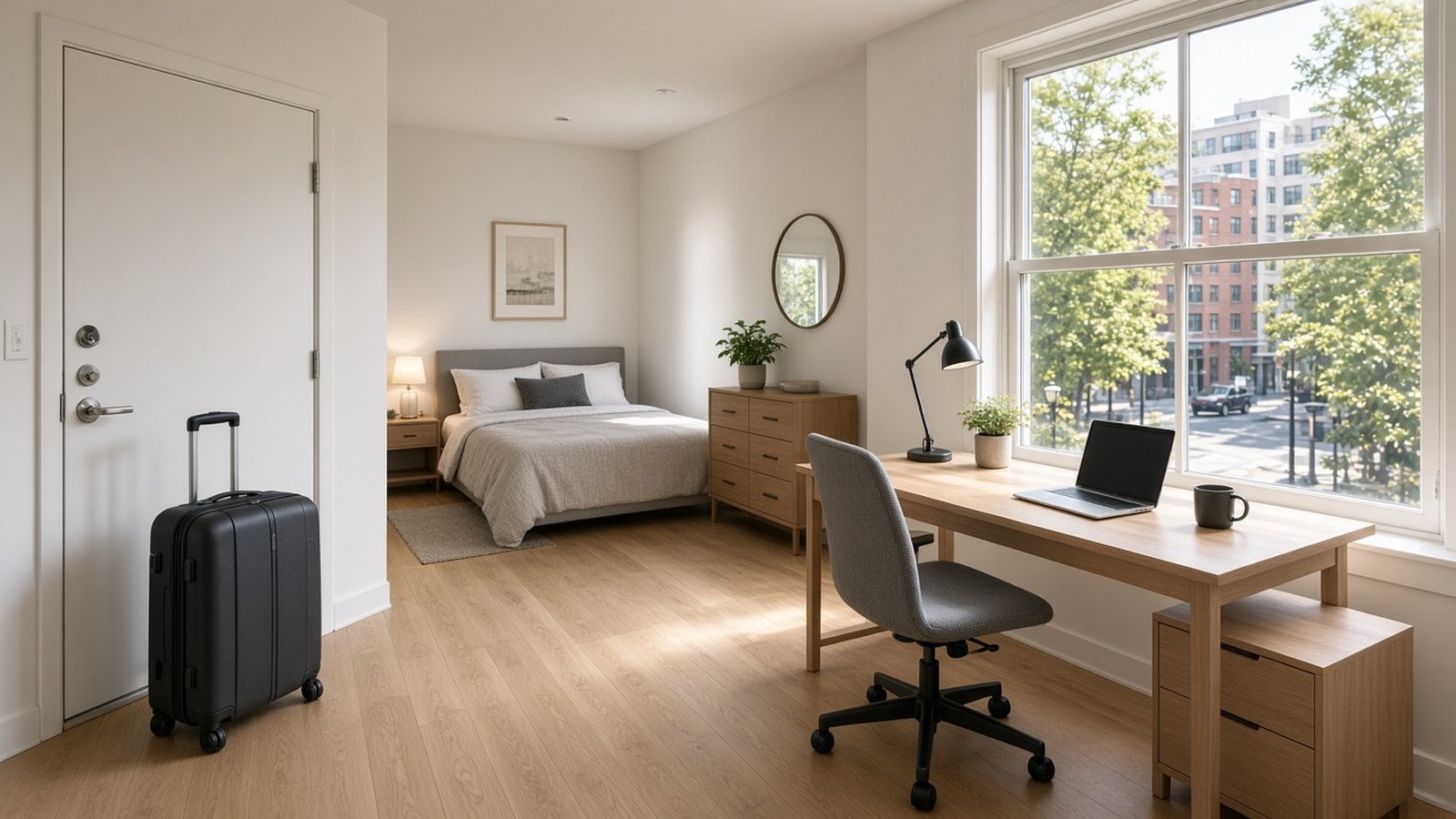
For many digital nomads, the sweet spot for accommodation is the medium-term rental: somewhere you can stay for one to six months. It is long enough to settle in and save money compared with nightly rates, but short enough to keep your freedom. The challenge is that this middle ground sits between hotels and traditional leases, and finding a good place takes more care than booking a weekend stay.
This guide walks through where to look, how to judge a listing, what to ask before you commit, and how to avoid the most common problems.
Decide what you actually need
Before you start browsing, write a short list of must-haves and nice-to-haves. It saves time and helps you resist beautiful photos of places that will not work for daily life.
- Reliable internet suitable for your work, including video calls.
- A proper workspace with a table and chair you can use for hours.
- A functional kitchen if you plan to cook to save money.
- Laundry access in the unit or nearby.
- Climate comfort, such as heating, cooling, or good ventilation depending on the season.
- Neighborhood fit, including noise levels, safety, groceries, and transport.
Where to search
Short-term rental platforms
Major vacation rental platforms often offer weekly and monthly discounts. They provide payment protection and reviews, which is reassuring when booking from abroad. Filter for longer stays and look for listings that mention remote work.
Furnished rental and nomad-focused sites
Some platforms specialize in furnished monthly rentals for remote workers and other mid-term tenants. Listings may be more geared toward working and living than vacationing.
Local listings and groups
Local real estate sites, community groups, and nomad or expat groups can reveal options that never appear on big platforms, sometimes at lower prices. They usually involve less protection, so be extra careful.
Book short, then find locally
A popular approach is to book the first week or two on a trusted platform, then explore neighborhoods in person and find a longer rental locally. Seeing a place before committing is the best protection against disappointment.
How to vet a listing
- Read recent reviews carefully. Look for mentions of noise, internet, cleanliness, and how the host handled problems. Reviews from longer stays are especially useful.
- Study the photos. Check for a real workspace, natural light, and the condition of the kitchen and bathroom. Be cautious if photos look like generic stock images.
- Check the location on a map. Look at the street view if available, the distance to groceries and transport, and whether it is near nightlife or major roads.
- Look at the full price. Include cleaning fees, utilities, deposits, and service charges, and calculate the true monthly cost.
- Read the house rules and cancellation policy. Long stays often have stricter cancellation terms.
Questions to ask the host
- Can you share a recent internet speed test from inside the unit?
- Are utilities included, or are there limits on electricity or water use?
- How is cleaning handled during a long stay? Are linens and towels changed?
- Is there construction or regular noise nearby?
- What happens if something breaks, and how quickly is it fixed?
- Is the unit suitable for working during the day, with a table and comfortable chair?
Friendly, specific answers are a good sign. Vague replies or reluctance to share details are worth noting.
Avoiding rental scams
Medium-term rentals attract scammers, especially on unmoderated sites and social groups. Protect yourself with a few rules.
- Never pay by untraceable methods such as wire transfers to individuals or gift cards for a place you have not seen.
- Keep payments on the platform when booking through a rental site. Requests to pay outside the platform are a red flag.
- Be wary of prices far below market and urgent pressure to pay a deposit immediately.
- Verify the person has the right to rent the property, especially for local listings.
- Arrange a video tour if you cannot visit in person.
Negotiating a better rate
Many hosts prefer one reliable long-term guest to a series of short stays with more cleaning and turnover. That gives you room to negotiate politely.
- Ask whether there is a monthly rate beyond the listed discount.
- Be flexible on dates, especially in low season.
- Highlight that you are a quiet, responsible remote worker with good reviews.
- Offer to book a longer stay in exchange for a better rate, if you are confident in the place.
Contracts, rules, and paperwork
For longer arrangements outside major platforms, get the agreement in writing, including the rent, deposit, what is included, notice periods, and how the deposit will be returned. Keep copies of all messages and receipts. Check whether local rules affect short and medium-term rentals in your destination, and confirm that your stay fits the visa rules that apply to you.
Settling in
When you arrive, document the condition of the unit with photos, test the internet and appliances, and report any problems right away. Then make it yours: set up your workspace, stock the kitchen, and find your local café and grocery store. Our guide to slow travel for remote workers explains how to build routines that make a longer stay rewarding, and our tips on finding the best locations for digital nomad living can help you choose the city first.
Traveling on a tight budget? Our guide to traveling on a budget has more ways to keep costs down.
Frequently asked questions
What counts as a medium-term rental?
Generally, a furnished stay of about one to six months, longer than a vacation rental but shorter than a traditional lease.
Are monthly rentals cheaper than nightly stays?
Often, yes. Many hosts offer weekly or monthly discounts, and local listings can be cheaper still.
Should I book a long stay without seeing the place?
It is safer to book a short stay first, then view places in person. If you must book remotely, use a trusted platform with payment protection.
How can I tell if the Wi-Fi is good enough?
Ask the host for a recent speed test from inside the unit and check recent reviews for comments from remote workers.